The GM Torque Converter Shudder: How to Fix It and Save Your Transmission
If you drive a GM truck or SUV manufactured between 2015 and 2022, you might have experienced a strange sensation while cruising down the highway. It feels like you’re driving over rumble strips on the side of the road, even when the pavement is perfectly smooth. The vehicle shakes, vibrates, or jerks unexpectedly.
This phenomenon is widely known as the "GM Torque Converter Shudder," and it has been a source of frustration for thousands of owners. While it might seem like a minor annoyance at first, ignoring it can lead to catastrophic transmission failure.
Here is what causes the shudder, why it happens, and the specific steps you can take to eliminate it and save yourself a fortune in repairs.
Recognizing the Symptoms
The most common sign of torque converter shudder is a vibration that occurs at steady speeds, usually between 25 and 50 mph, or when the transmission shifts into overdrive. Drivers often describe it as:
- A "chugging" sensation.
- The feeling of driving over rumble strips.
- Sudden jerking while maintaining a constant speed.
The issue typically stops when you press down on the accelerator or tap the brakes, which unlocks the torque converter.
What Causes the Shudder?
The root of the problem lies within the 8-speed (8L90 and 8L45) automatic transmissions. GM used a specific type of transmission fluid that proved to be hygroscopic—meaning it absorbs moisture from the air too easily.
When moisture gets into the fluid, it affects the friction properties of the torque converter clutch. As the clutch tries to engage, it slips and grabs rapidly instead of locking smoothly. This rapid slip-stick action creates the vibration you feel in the cabin.
If left unaddressed, this constant slipping creates excessive heat and wears down the clutch material inside the torque converter. eventually, this debris circulates through the transmission, clogging valves and potentially destroying the entire unit.
The Solution: 4 Steps to Eliminate the Shudder
You don't necessarily need a new transmission to fix this. By taking a proactive approach to maintenance and making a few smart upgrades, you can solve the shudder issue and protect your investment.
Here is the proven formula to eliminate the shudder and save money:
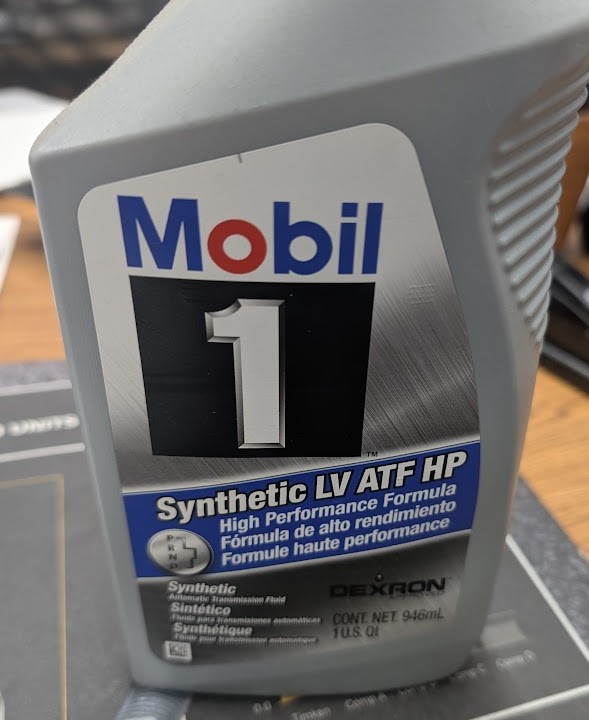
1. Upgrade to Synthetic LV/HP Fluid
The first step is getting the old, moisture-prone fluid out of there. You need to replace it with the updated Mobil 1 Synthetic LV ATF HP fluid (look for the blue label). This fluid was specifically engineered to address the friction issues in these transmissions. It resists moisture absorption and maintains stable friction properties even under stress, allowing the torque converter to lock up smoothly.
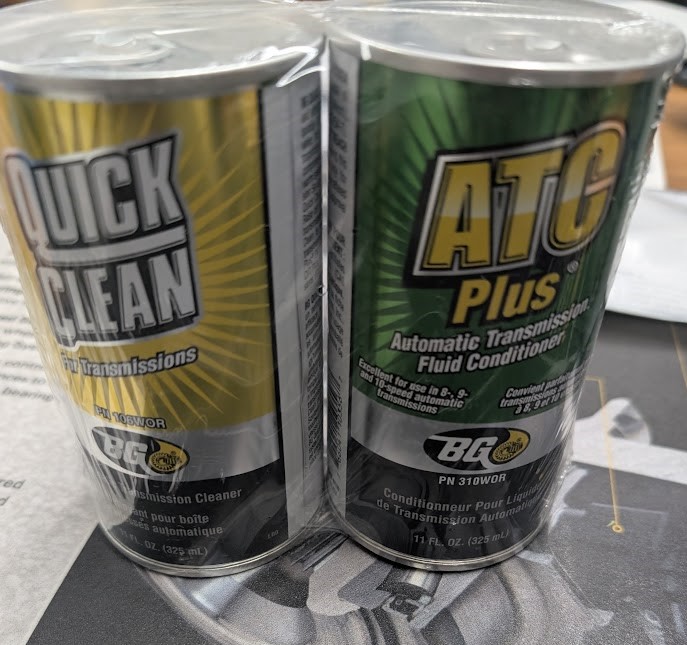
2. Service Your Transmission Every 30,000 Miles
Standard maintenance intervals often suggest waiting until 60,000 or even 100,000 miles for transmission service. For these specific GM transmissions, that is too long. Changing the fluid and filter every 30,000 miles ensures that the fluid remains clean and effective. Fresh fluid protects the internal components and prevents the friction modifier breakdown that leads to shudder.
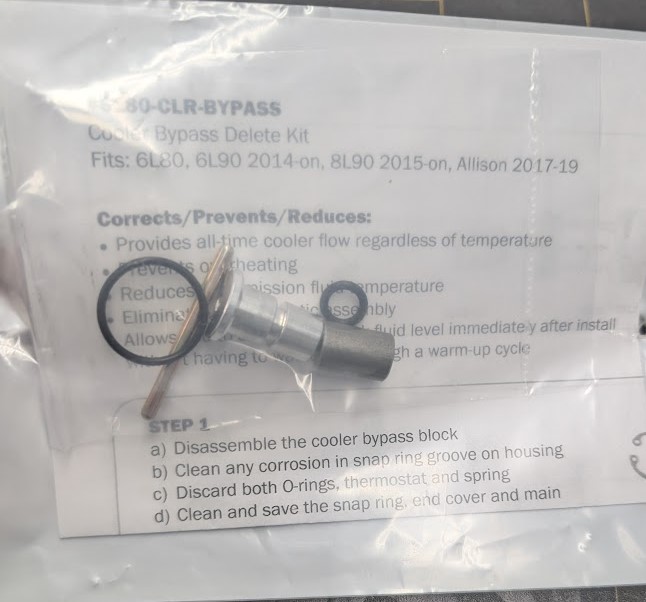
3. Install a Transmission Thermostat Bypass
Heat is the enemy of any transmission. The factory thermostat in these trucks is designed to let the transmission run hot (often over 190°F) to aid fuel efficiency. However, high heat degrades fluid faster.
Installing a transmission thermostat bypass (often called a "pill flip" or a dedicated bypass valve) allows fluid to flow through the cooler immediately rather than waiting for it to get hot. This simple modification can drop operating temperatures by 40-50 degrees, significantly extending the life of both the fluid and the transmission.
4. Update the Transmission Control Module (TCM) Software
GM released several software updates for the Transmission Control Module to address shift timing and lock-up strategies. These updates adjust how the computer commands the torque converter to engage. Ensuring your vehicle has the absolute latest software calibration is crucial. It works in tandem with the new fluid to ensure smooth operation.
Prevention Saves Your Wallet
Ignoring the rumble strip sensation is a gamble that rarely pays off. A full transmission replacement on these vehicles can easily cost upwards of $4,000 to $6,000.
By comparison, servicing the fluid, updating the software, and installing a bypass is a fraction of that cost. These steps don't just put a bandage on the problem—they address the root causes.