Don't Guess: Why Your Brake Fluid Needs Testing
When you think about car maintenance, what comes to mind? Oil changes and tire rotations are probably at the top of your list. But what about your brake fluid? This vital component of your braking system is often overlooked, yet it plays a critical role in your ability to stop safely. Ignoring it can lead to decreased stopping power and expensive repairs.
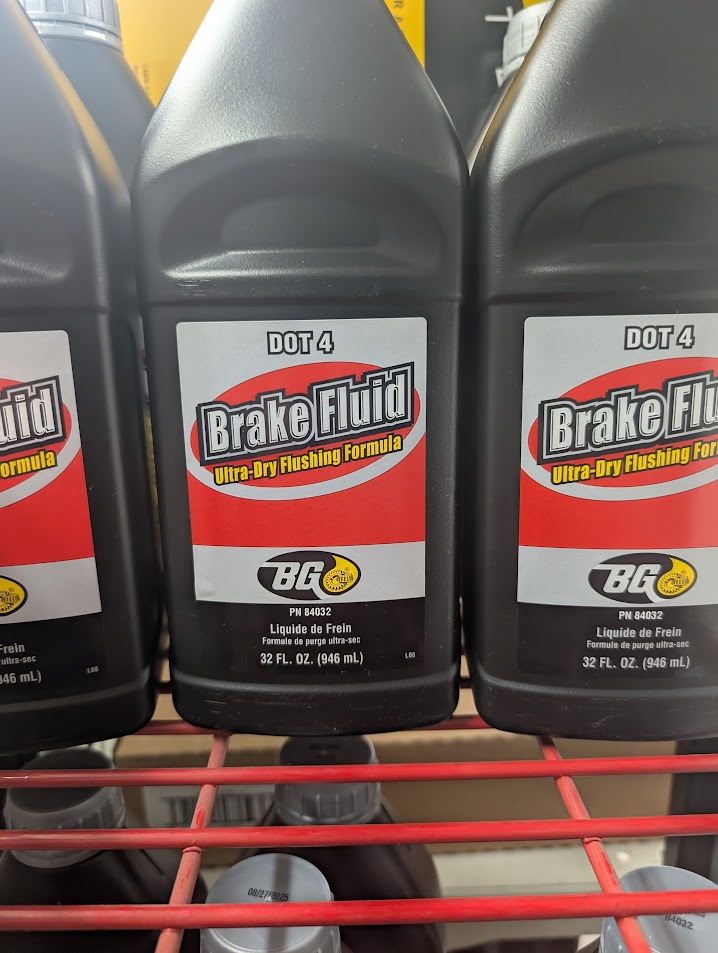
Regularly replacing your brake fluid is one of the most important safety services you can perform for your vehicle. We'll explore why this fluid degrades, how contaminants like moisture and copper can cause serious damage, and why you shouldn't just guess when it's time for a change. Proactive maintenance is key to your safety on the road.
The Role of Brake Fluid in Your Vehicle
Brake fluid is a hydraulic fluid that transfers the force from your foot on the brake pedal to the brake calipers at your wheels. When you press the pedal, this fluid is put under immense pressure, forcing the brake pads to clamp down on the rotors and slow your car down. For this to work effectively, the fluid must be incompressible and have a high boiling point.
However, brake fluid doesn't last forever. Over time, it loses its essential properties, putting your entire braking system at risk. The general recommendation is to replace it every three years or 30,000 miles, but this is just a guideline. The actual condition of your fluid depends on your driving habits, climate, and vehicle.
The Two Main Enemies: Moisture and Copper
Two primary culprits are responsible for the degradation of your brake fluid: moisture and copper contamination. Both can have a severe impact on your vehicle's stopping ability and the health of your braking system.
How Moisture Compromises Your Brakes
Most vehicles use a glycol-based brake fluid, which is hygroscopic. This means it naturally absorbs moisture from the surrounding air. Even in a sealed system, moisture can seep in through microscopic pores in the brake hoses and past seals. Over a few years, the water content in your brake fluid can rise to dangerous levels.
Why is water a problem? Water has a much lower boiling point than brake fluid. During heavy braking, such as driving down a steep hill or in stop-and-go traffic, your brakes generate a significant amount of heat. This heat can cause the water in your brake fluid to boil and turn into steam. Unlike liquid, steam is highly compressible.
When you have steam bubbles in your brake lines, pressing the pedal will compress the steam instead of applying force to the brakes. This results in a soft, spongy brake pedal and a terrifying loss of stopping power, a phenomenon known as "brake fade."
The Hidden Danger of Copper Contamination
As brake fluid ages, its corrosion-inhibiting additives break down. This allows the fluid to start corroding the internal metal components of your braking system, including the brake lines, master cylinder, and calipers. The first metal to leach into the fluid is typically copper.
The presence of copper in your brake fluid is a clear sign that the anti-corrosion protection is gone. More importantly, copper acts as a catalyst, accelerating the corrosion of other critical steel and iron components, like the valves and pistons in your expensive Anti-lock Braking System (ABS) module. High copper levels indicate that your brake fluid is no longer protecting your system and that costly damage is imminent.
Stop Guessing, Start Testing
Many service shops follow the "3 years or 30,000 miles" rule without actually checking the fluid's condition. While this is a safe preventative schedule, it doesn't account for individual circumstances. Your fluid might be perfectly fine at 30,000 miles, or it could be dangerously contaminated much sooner. Guessing isn't a reliable safety strategy.
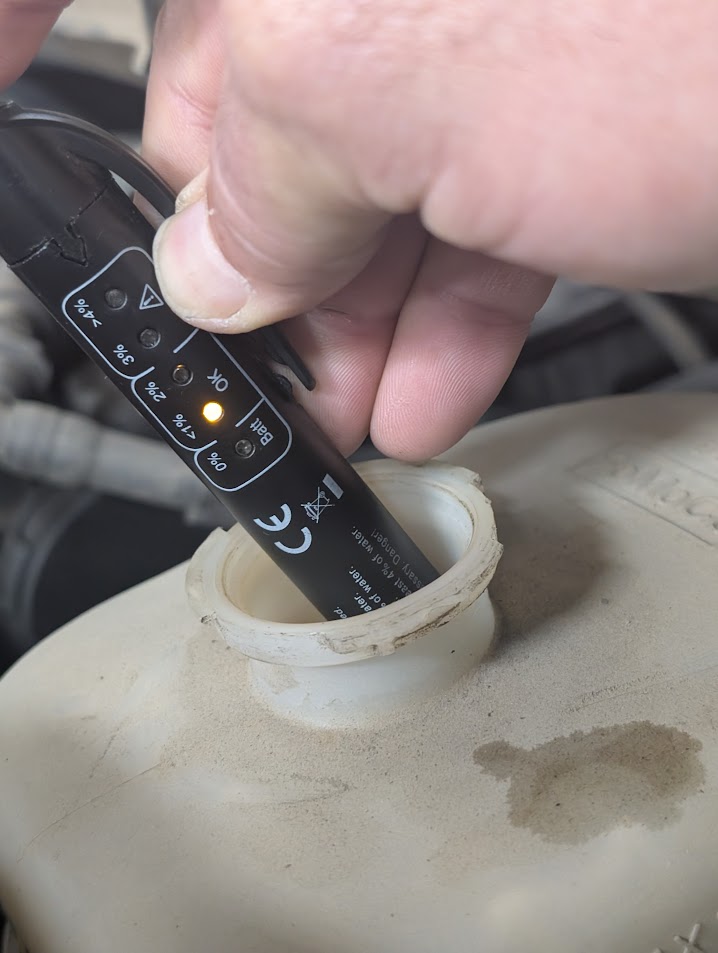
At Rochas Automotive, we believe in precision and transparency. We don't just guess when your brake fluid needs to be replaced. We physically test it to give you a clear and accurate assessment of its condition. We use specialized tools to measure two key indicators:
- Moisture Content: We test the boiling point of your fluid to determine the percentage of water contamination. This tells us exactly how compromised your fluid is and how susceptible you are to brake fade.
- Copper Levels: We also test for the concentration of copper in parts per million (ppm). This measurement tells us if the fluid's protective additives have failed and if your system is at risk of internal corrosion.
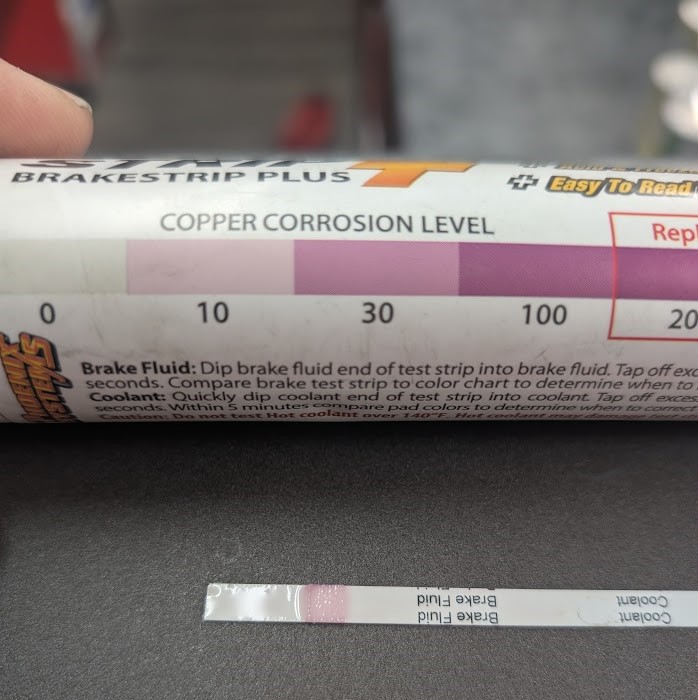
By performing these simple tests, we can show you precisely why a brake fluid exchange is—or isn't—necessary. This data-driven approach empowers you to make an informed decision about your vehicle's maintenance, ensuring you only pay for services you truly need while maximizing your safety.
The Benefits of Proactive Brake Fluid Maintenance
Staying on top of your brake fluid maintenance isn't just about avoiding a spongy pedal. It’s about ensuring long-term safety and reliability for your vehicle.
The key benefits include:
- Enhanced Safety: Fresh brake fluid ensures a firm pedal and reliable stopping power under all conditions.
- System Protection: Clean fluid with active corrosion inhibitors protects expensive components like the ABS module, master cylinder, and calipers from internal rust and damage.
- Cost Savings: Replacing your brake fluid is a low-cost maintenance item. Preventing the corrosion of your ABS module can save you from a repair that can cost thousands of dollars.
- Peace of Mind: Knowing your braking system is in optimal condition provides confidence every time you get behind the wheel.
Your brakes are your car's most important safety feature. Don't leave their performance to chance. If you can't remember the last time your brake fluid was replaced, it's time for a check-up. Contact Rochas Automotive today to schedule a professional brake fluid test. We'll give you the accurate data you need to keep your vehicle safe and reliable for years to come.