Why Clean Fuel Matters for Modern Diesel Engines
You rely on your truck to get the job done. Whether you drive a Ram Cummins, a Ford Powerstroke, or a Chevy Duramax, modern diesel engines are engineering marvels. They produce incredible torque and horsepower while meeting strict emissions standards. But this high performance comes with a catch: they are incredibly sensitive to what you put in the tank.
In the past, diesel engines were robust beasts that could seemingly run on anything combustible. Today, the story is different. Modern fuel systems operate at immense pressures and with microscopic tolerances. Even a tiny amount of dirt or water can spell disaster for your wallet.
This guide breaks down why clean fuel is non-negotiable for your modern diesel truck and how you can protect your investment.
The High Stakes of Modern Fuel Systems
Understanding why clean fuel matters requires looking under the hood at how these engines operate.
Modern diesel engines use High-Pressure Common Rail (HPCR) fuel systems. These systems inject fuel into the combustion chamber at pressures exceeding 30,000 PSI. To put that in perspective, that is enough pressure to cut through steel.
Microscopic Tolerances
At these pressures, the fuel injectors must operate with extreme precision. The internal clearances inside these injectors are measured in microns—often smaller than a human red blood cell.
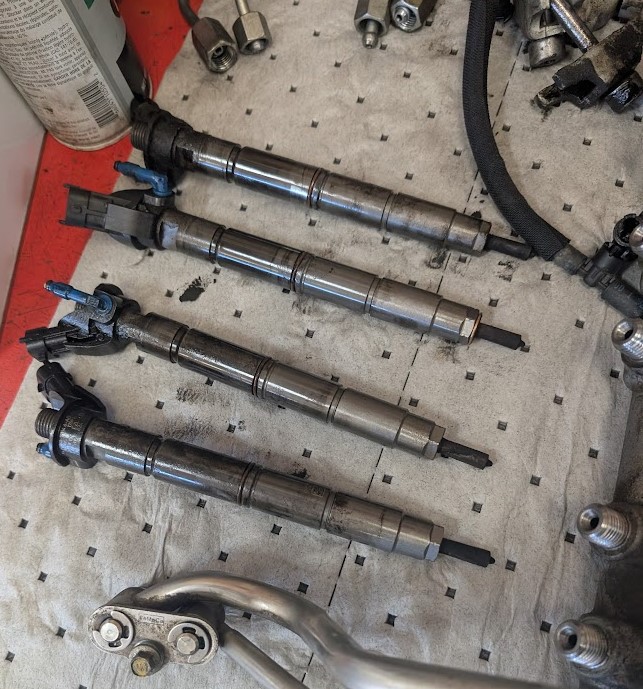
When fuel is contaminated with dirt, dust, or rust particles, it acts like liquid sandpaper. It erodes the delicate internal components of the injectors. Once that metal surface is damaged, the injector can stick open or fail to atomize the fuel correctly. This leads to inefficient combustion, loss of power, and potentially catastrophic engine failure.
The Water Threat
Water is perhaps the biggest enemy of the modern Ford Powerstroke fuel system or any HPCR setup. At high pressures, water can flash into steam, causing the tip of the injector to blow off. Even small amounts of moisture encourage rust and bacterial growth in your tank, creating sludge that clogs filters and lines.
Ram Diesel Maintenance: Protecting the Cummins
The Cummins engine in Ram trucks is legendary for longevity, but it isn't invincible. Ram Diesel maintenance specifically focuses on filtration because the Bosch fuel system used in these trucks is highly sensitive.
Common issues from bad fuel in Rams include:
- Injector Rattle: A distinct noise indicating the injectors are struggling.
- Hard Starts: Difficulty turning the engine over, especially when cold.
- White Smoke: A sign that unburnt fuel is passing through the system, often due to a leaking injector.
The factory fuel filters on older models were sometimes insufficient for the demands of modern ultra-low sulfur diesel (ULSD). Upgrading filtration and ensuring you only fill up at high-volume stations with fresh fuel is critical for keeping your Ram on the road.
Ford Powerstroke Fuel System Vulnerabilities
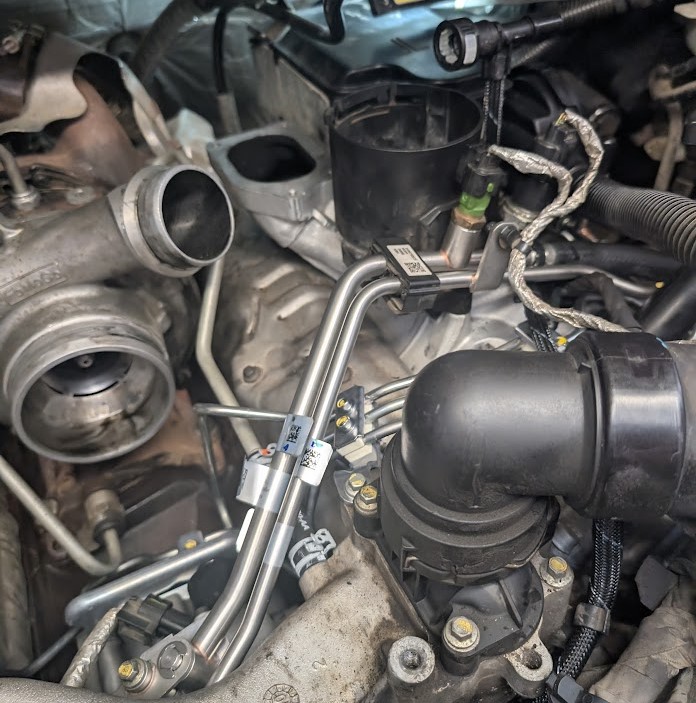
Ford's Powerstroke engines, particularly the 6.7L, are workhorses. However, the CP4 high-pressure fuel pump found in many model years has a reputation for fragility when exposed to contaminated fuel.
If the fuel lacks lubricity or contains water, the CP4 pump can fail internally. When it fails, it sends metal shavings throughout the entire fuel system—into the rails, the injectors, and the return lines. Mechanics call this the "glitter of death."
Repairing this requires replacing the entire fuel system, a job that can cost nearly $10,000. Ensuring clean fuel for diesel engines like the Powerstroke isn't just about performance; it's about avoiding a repair bill that costs as much as a used car.
Chevrolet Duramax Performance and Efficiency
The Duramax engine, paired with the Allison transmission, offers a smooth and powerful ride. To maintain peak Chevrolet Duramax performance, the fuel quality must be pristine.
Like its competitors, the Duramax uses advanced injectors that require clean, lubricious diesel. When contaminants compromise the spray pattern of the fuel:
- Fuel Economy Drops: The computer tries to compensate for poor combustion by adding more fuel.
- DPF Clogging: Poor combustion creates more soot. This clogs the Diesel Particulate Filter (DPF) faster, forcing the truck into frequent "regen" modes, which wastes fuel and dilutes your oil.
- Reduced Power: You will feel a noticeable lag when towing or accelerating.
Protecting your Duramax involves vigilant filter changes and using fuel additives that boost lubricity and demulsify water.
Environmental Impact of Dirty Fuel
It is not just about mechanical damage. Dirty fuel directly impacts how clean your truck runs. Modern diesels are equipped with complex emissions systems, including EGR (Exhaust Gas Recirculation), SCR (Selective Catalytic Reduction), and DPFs.
When dirty fuel causes incomplete combustion, the engine produces excessive soot and particulate matter. This overwhelms the emissions equipment.
- EGR Valves get gummed up with carbon deposits.
- Sensors fail due to soot coating.
- Catalytic Converters lose efficiency.
If you want to stay compliant and avoid failing emissions tests (or dealing with endless check engine lights), you must prioritize fuel quality.
How to Ensure You Are Getting Clean Fuel
You can't control what the station puts in their underground tanks, but you can control what goes into your engine.
- Choose High-Volume Stations: Buy diesel from truck stops or busy stations where the fuel is turned over frequently. Fresh fuel is less likely to have water or bacterial growth.
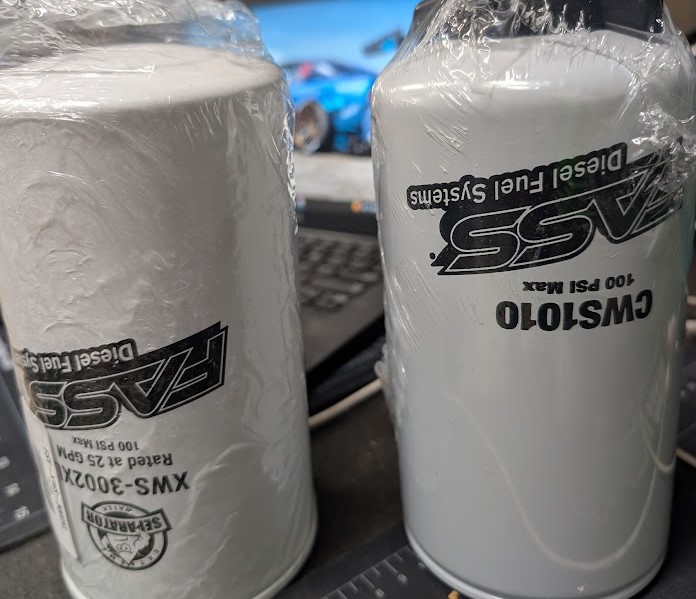
- Change Filters Regularly: Don't wait for the "change filter" light. Change your fuel filters every 10,000 to 15,000 miles, or every other oil change. Use high-quality OEM or premium aftermarket filters.
- Drain the Water Separator: Most modern trucks have a water separator. Drain it monthly to remove any accumulated moisture.
- Use Additives: Quality fuel additives add necessary lubrication to ULSD and help disperse moisture.
Trust the Experts with Your Diesel
Your truck is a significant investment. Don't let a tank of bad fuel turn into a major mechanical nightmare. Whether you need a routine filter change, a fuel system flush, or a diagnosis for a rough idle, professional care is essential.
At Rochas Automotive, we specialize in keeping these high-performance machines running like new. We understand the specific needs of the Big Three—Ram, Ford, and Chevy.
Rochas Automotive diesel services are designed to identify potential fuel system issues before they become catastrophic failures. We can help you upgrade your filtration system, perform injector testing, and ensure your engine is tuned for maximum durability.
Don't guess about your fuel quality. Schedule your maintenance with us today and keep your truck powering through the toughest jobs.